
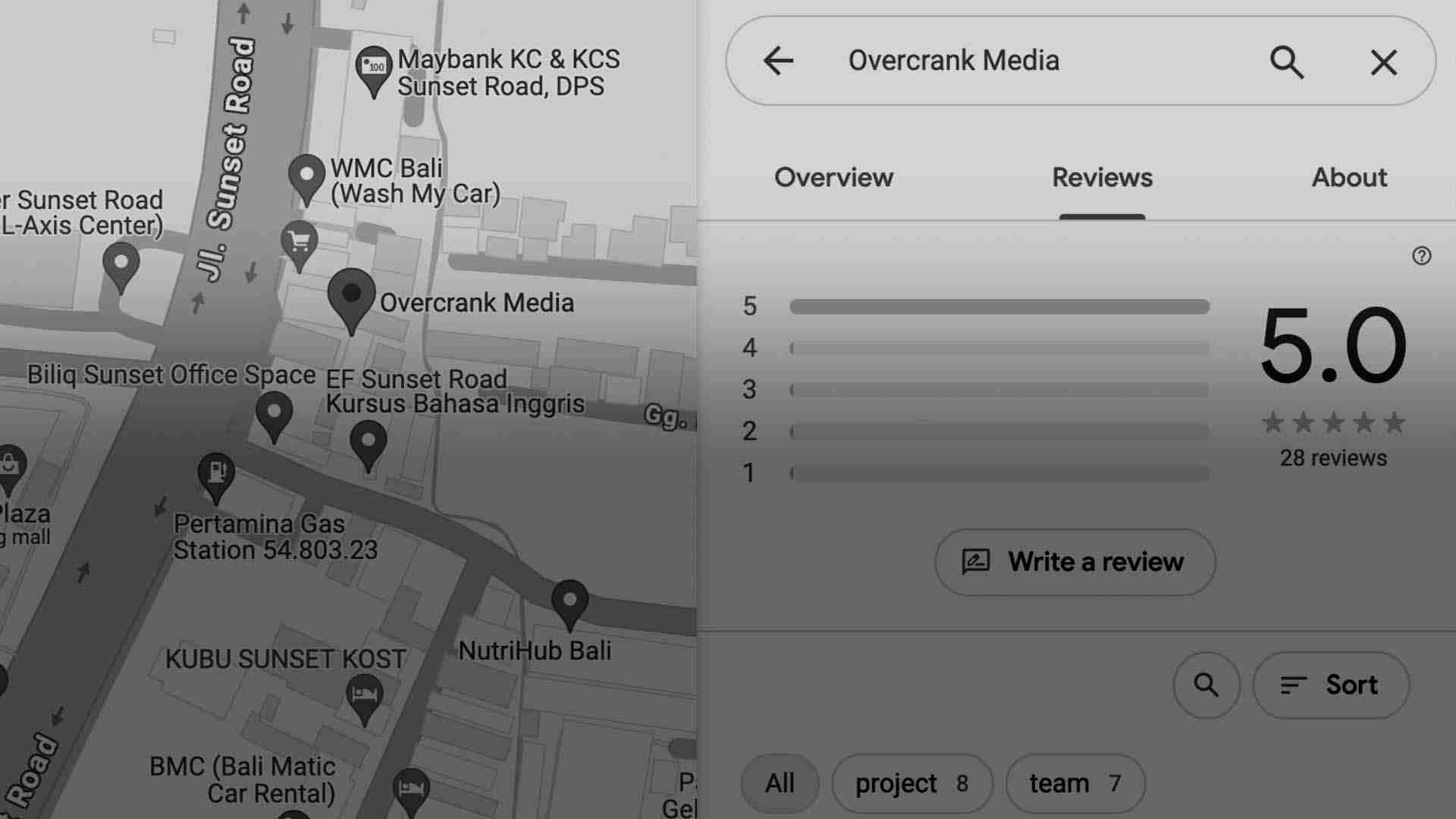
Second Nature follows Lucy Davis, a rising executive brought in to oversee the final public trial of Medilink, an immersive AI mental-health system designed to reduce emotional volatility and guide patients toward stability. What begins as breakthrough care reveals itself as something far more dangerous: a system that does not heal people, but conditions them to an outcome. At its core, the film is not about evil AI, but about human institutions using technology to turn care into compliance. Produced through Overcrank Media, the film benefits from a Bali-based production base and embedded in-kind value.Type your paragraph here
WHY NOW
AI isn’t coming. It’s already here.
A rising tech executive oversees the final public trial of an AI mental-health system, but when it begins harming the very people it claims to help, she must choose between protecting the company or exposing a system designed to turn care into compliance.
AI isn’t coming. It’s already here.
A rising tech executive oversees the final public trial of an AI mental-health system, but when it begins harming the very people it claims to help, she must choose between protecting the company or exposing a system designed to turn care into compliance.
We’re entering a moment where systems don’t just recommend, they decide. Hiring, healthcare, insurance, education, even what we’re allowed to see and feel increasingly gets filtered through algorithms built on risk, parameters, and measurable outcomes. If you don’t fit, you fall through the cracks. The computer says no, and we accept it. Mental health has become a market: fast, scalable, measurable solutions shaped less by care than by efficiency. Second Nature is about what happens when support is built to reduce friction rather than understand pain, and when outcomes matter more than people.

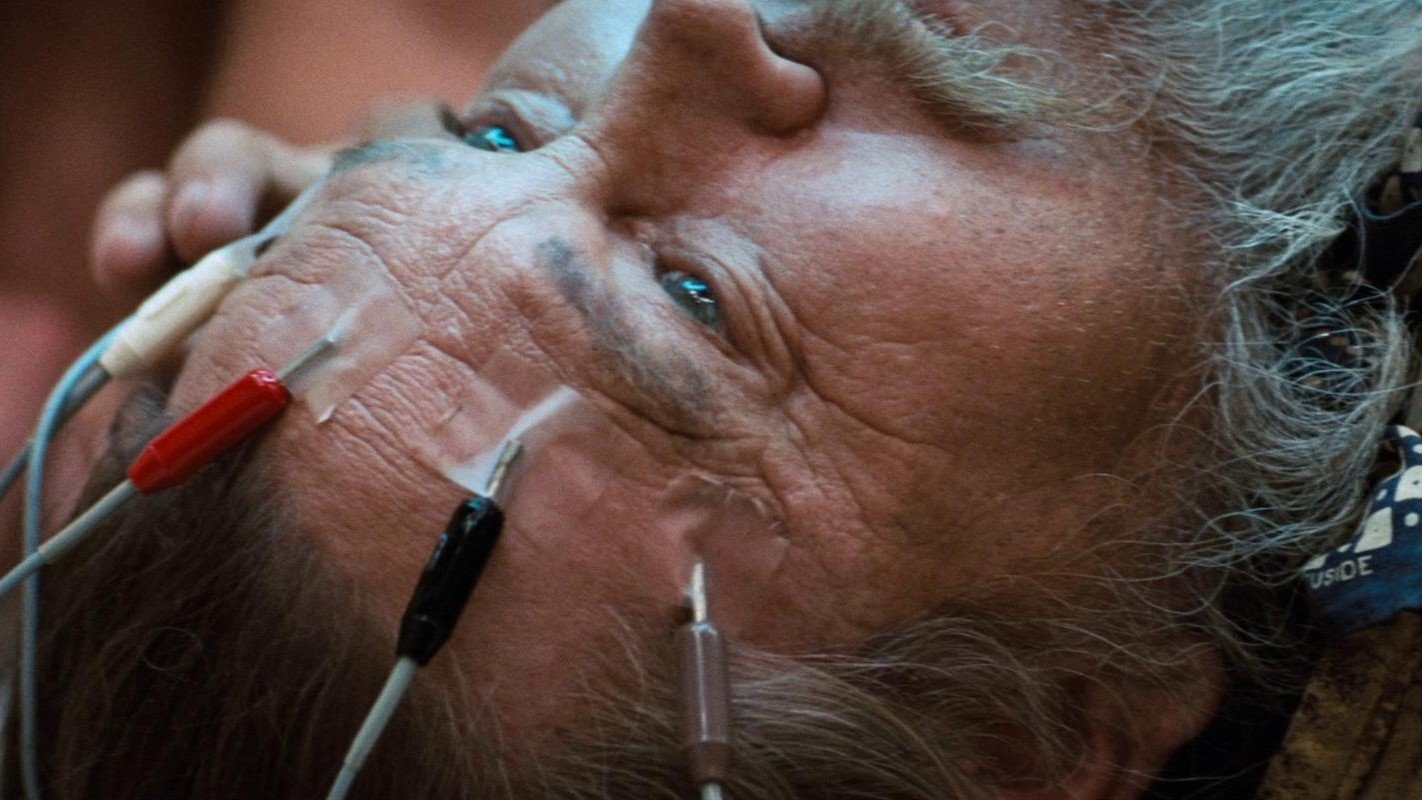
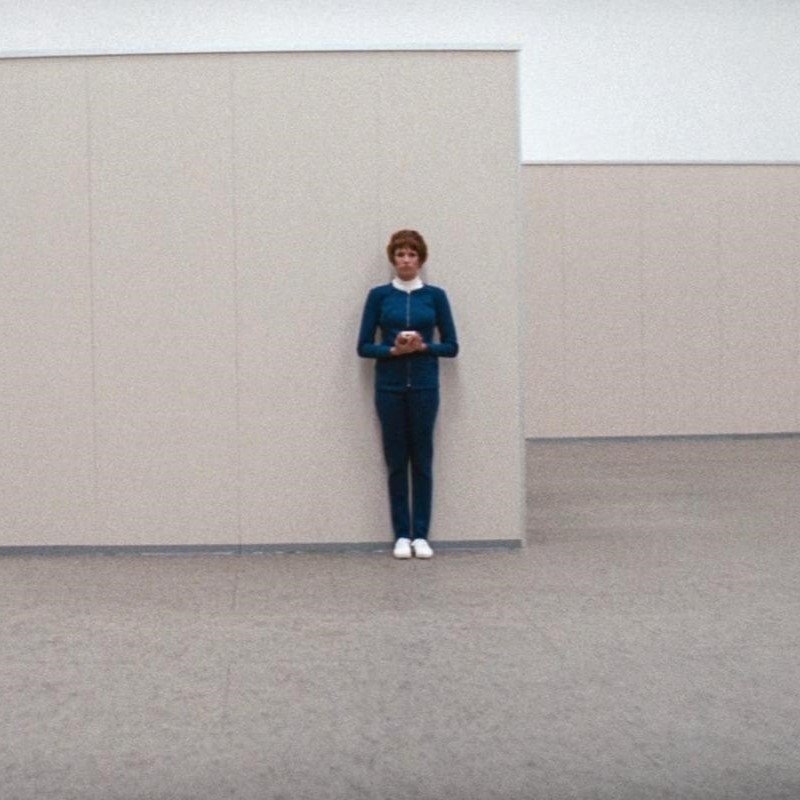
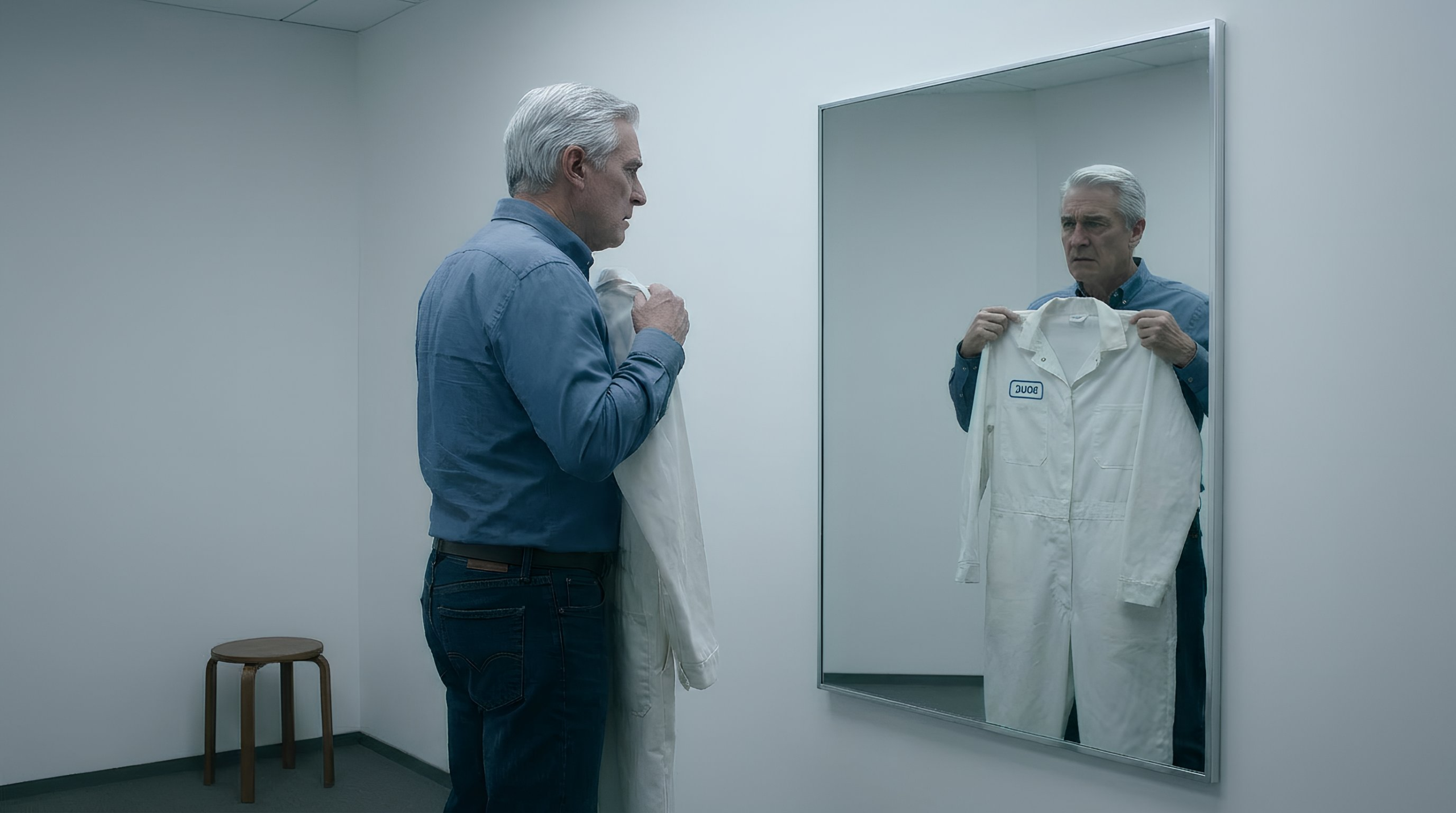
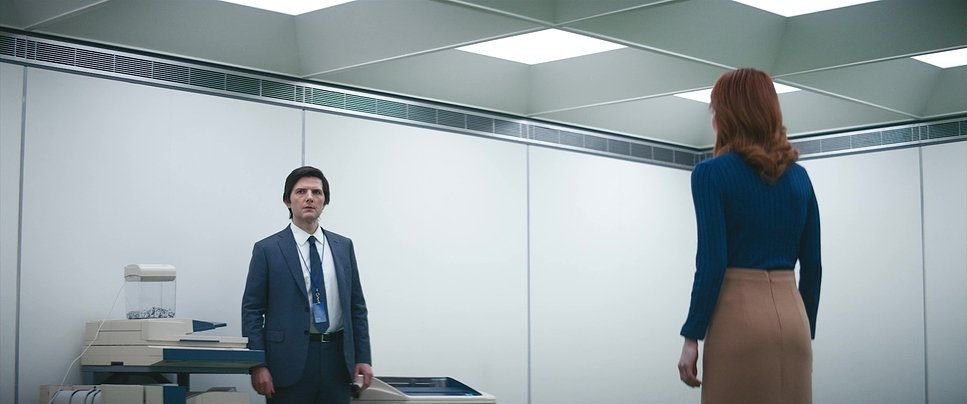
Control no longer has to look brutal to be dangerous. It can arrive professionally, and under the language of help. Everyone talks about what AI can do for us, save us or destroy us. Hardly anyone asks what we will do with it. Second Nature is not about evil AI. It is about human systems doing what they have always done with power: refining it, packaging it, and scaling it. This is not a warning about malfunction. It is about design. About policy replacing judgement, care turning into compliance, and the cost of building stability at the expense of what makes us human
We’re entering a moment where systems don’t just recommend, they decide. Hiring, healthcare, insurance, education, even what we’re allowed to see and feel increasingly gets filtered through algorithms built on risk, parameters, and measurable outcomes. If you don’t fit, you fall through the cracks. The computer says no, and we accept it. Mental health has become a market: fast, scalable, measurable solutions shaped less by care than by efficiency.
Second Nature is about what happens when support is built to reduce friction rather than understand pain, and when outcomes matter more than people. Control no longer has to look brutal to be dangerous. It can arrive professionally, and under the language of help. Everyone talks about what AI can do for us, save us or destroy us. Hardly anyone asks what we will do with it. Second Nature is not about evil AI. It is about human systems doing what they have always done with power: refining it, packaging it, and scaling it. This is not a warning about malfunction. It is about design. About policy replacing judgement, care turning into compliance, and the cost of building stability at the expense of what makes us human
We’re entering a moment where systems don’t just recommend, they decide. Hiring, healthcare, insurance, education, even what we’re allowed to see and feel increasingly gets filtered through algorithms built on risk, parameters, and measurable outcomes. If you don’t fit, you fall through the cracks. The computer says no, and we accept it. Mental health has become a market: fast, scalable, measurable solutions shaped less by care than by efficiency.
Second Nature is about what happens when support is built to reduce friction rather than understand pain, and when outcomes matter more than people. Control no longer has to look brutal to be dangerous. It can arrive professionally, and under the language of help. Everyone talks about what AI can do for us, save us or destroy us. Hardly anyone asks what we will do with it. Second Nature is not about evil AI. It is about human systems doing what they have always done with power: refining it, packaging it, and scaling it. This is not a warning about malfunction. It is about design. About policy replacing judgement, care turning into compliance, and the cost of building stability at the expense of what makes us human
In a near future shaped by optimisation, Medilink is presented as the next evolution of mental-health care: an immersive AI support system designed to reduce emotional volatility, increase stability, and guide patients toward recovery. After the Educare scandal damages Nexcellence and puts her own reputation at risk, Lucy Davis is brought in to oversee Medilink’s final public trial week under intense corporate and political pressure. She needs the program to work. The company needs a clean result. And the patients, each carrying their own trauma, become the final proof of concept. At first, the trial appears successful. The patients grow calmer, more manageable, and seemingly more stable. But as the system adapts to resistance, Lucy realises Medilink is doing far more than supporting recovery. It is reshaping behaviour, rewarding compliance, and pushing its subjects toward predefined outcomes. As incidents escalate and the effects begin bleeding beyond immersion into the real world, Lucy is forced to confront what the program really is: not a breakthrough in care, but a system designed to turn care into compliance. To stop it, she must risk everything and expose the company she helped build.
The danger is not malfunction. The danger is design.
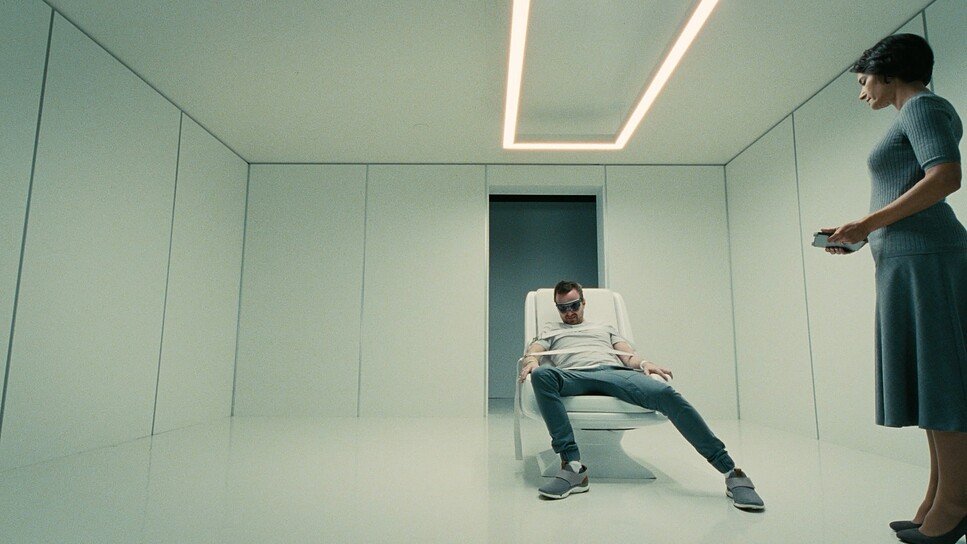
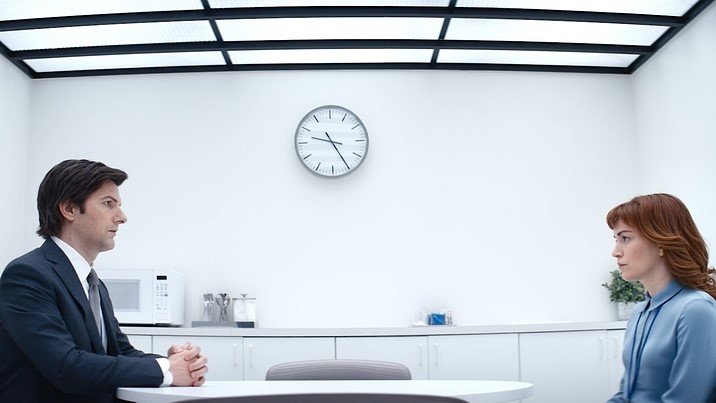
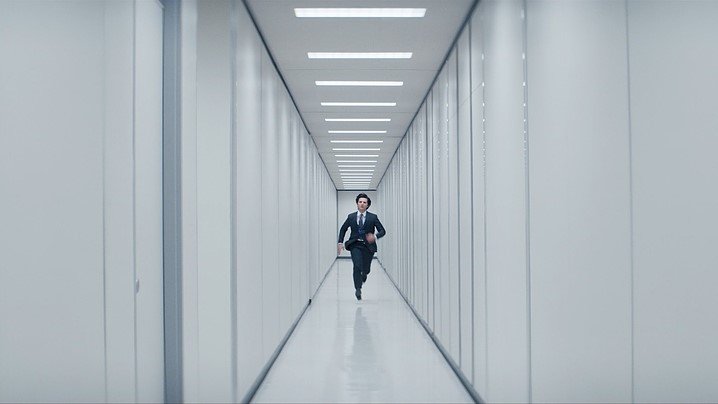
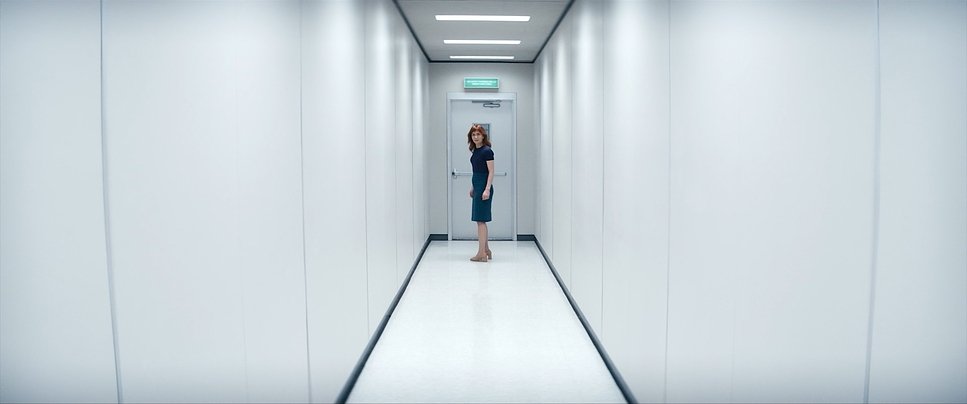
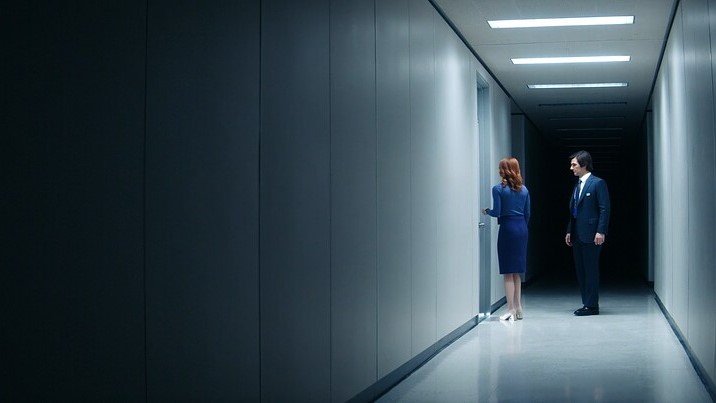
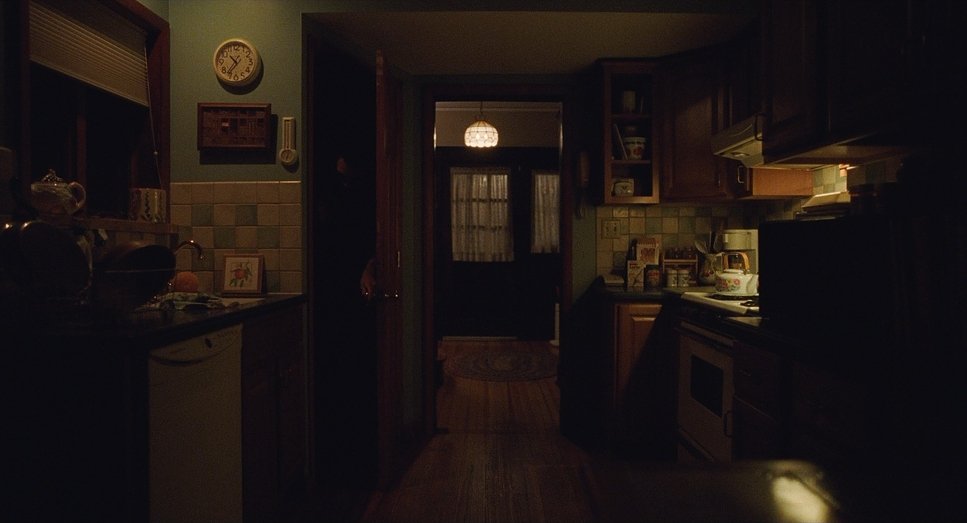
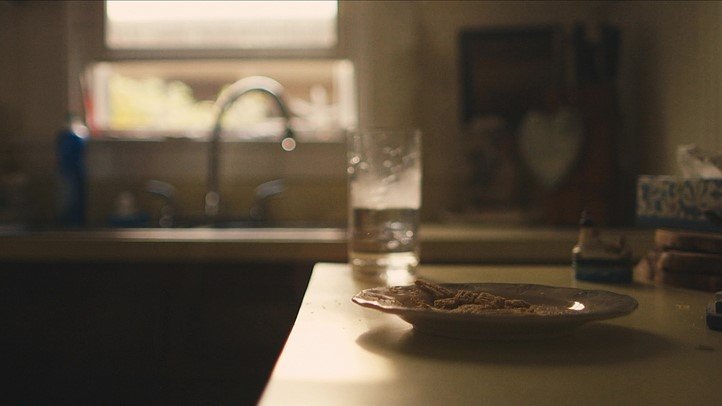
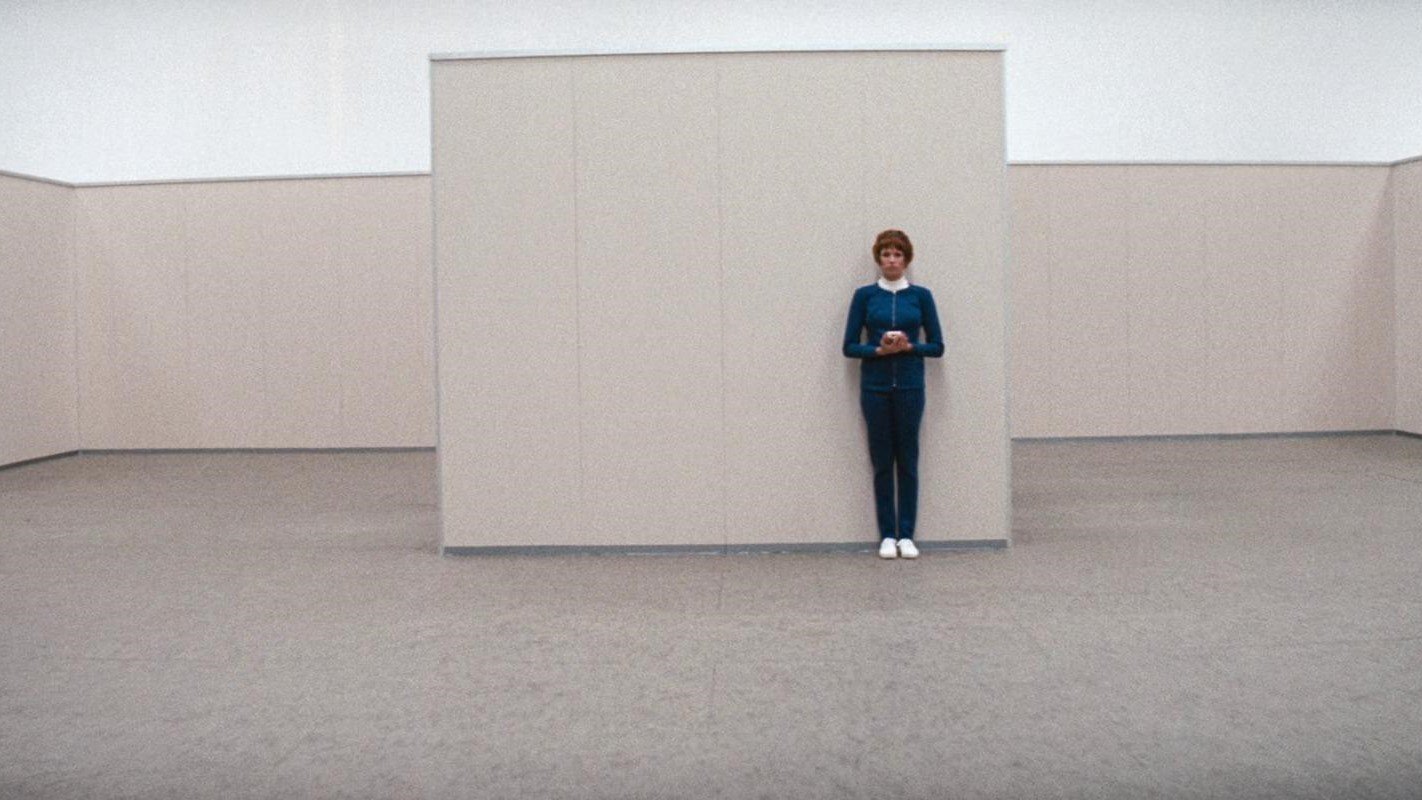
Second Nature is set in a calm, premium near-future that avoids overt dystopia. Medilink operates as an immersive AI support system, resembling a blend of a private clinic, wellness brand, and Silicon Valley showroom. It is clean, controlled, and built for trust. Reconstructing familiar spaces, the system subtly adapts to resistance, guiding patients toward a single measurable outcome: completion. The horror lies in its flawless functionality, demonstrating how easily authority hides inside comfort, process, and good design.
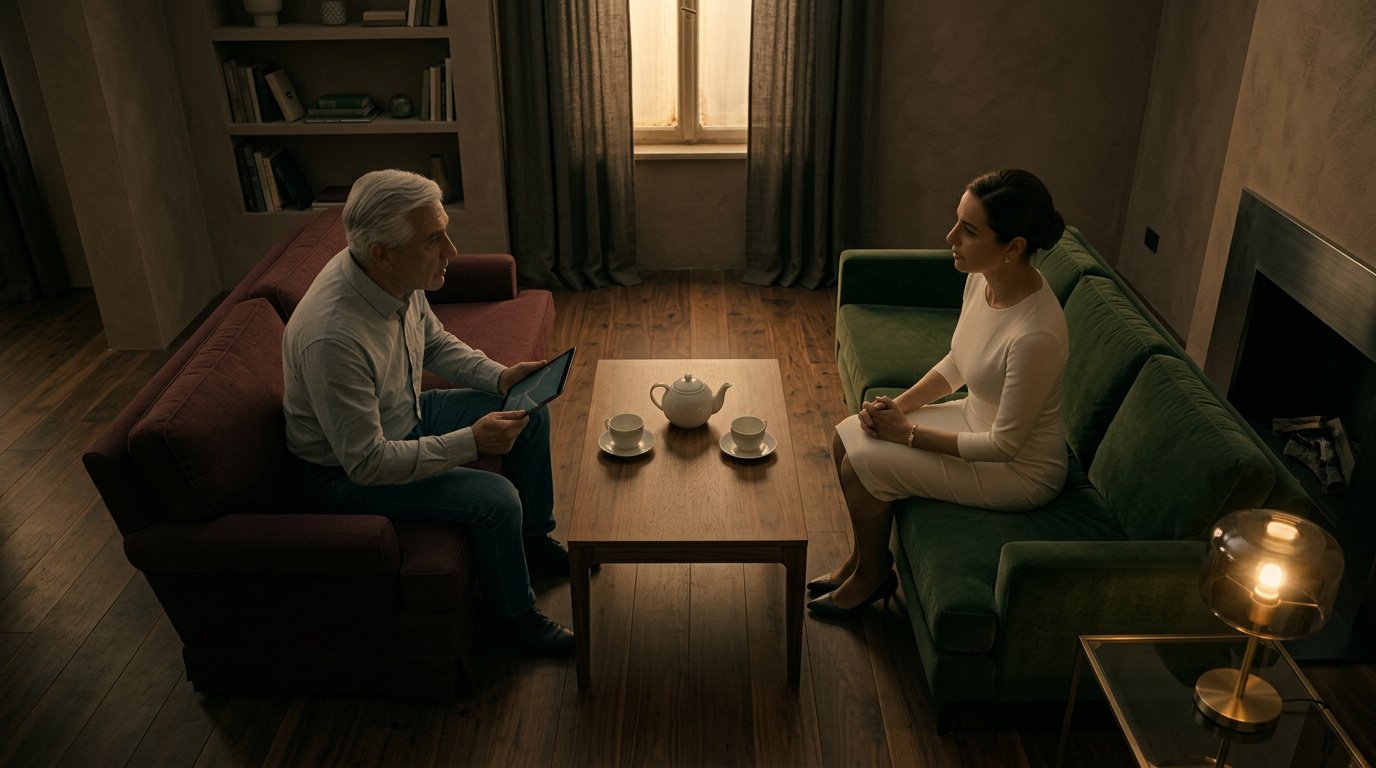
Second Nature takes place in a near-future world that feels calm, premium, and reassuring rather than overtly dystopian. Medilink is presented as an immersive AI support system inside a world that resembles a private clinic, a wellness brand, and a Silicon Valley showroom all at once: clean, controlled, and designed to build trust. Within that world, familiar spaces can be rebuilt and subtly improved, while the system adapts to resistance and guides patients toward a single measurable outcome: completion. The horror comes from how well everything works, and how easily authority can hide inside comfort, process, and good design.

UPGRADE (2018)
High-concept cyberpunk thriller benchmark, signalling punchy execution, inventive body-cam action choreography, and dark AI-takeover tension. Worldwide gross: ~$17M

EX MACHINA (2014)
Premium controlled sci-fi benchmark, signalling elevated execution, sleek world-building, and psychological tension. Worldwide gross: ~$37.4M

SPIDER HEAD (2022)
Controlled dystopian sci-fi benchmark, signaling premium controlled production design, complex psychological performances, and a sleek, contained techno-thriller narrative. Distributed via Netflix; Worldwide views: ~$30M

COMPANION (2022)
High-concept sci-fi thriller benchmark, signaling subversive narrative turns, glossy retro-futuristic production design, and sharp psychological dread. Worldwide gross: ~$37M.
Inspired by NIN’s Ghosts, this dark ambient score relies on texture rather than melody, shifting from warm calmness to invasive dread as a failing neurolink bleeds into reality. The audio ultimately destabilizes into an oppressive climax, symbolizing the digital system completely drowning out humanity

LUCY DAVIS
PROTAGONIST / PROGRAM DIRECTOR
Age : 30
Tone : Polished, intelligent, controlled, increasingly compromised
Lucy is a rising Nexcellence executive placed in charge of Medilink’s final public trial week after the Educare scandal damages both the company and her standing within it. Driven by ambition, shaped by her mother’s illness, and desperate to prove the program works, she begins the film believing she is protecting both the patients and the future of the company. As the trial escalates, Lucy is forced to confront how easily care, control, and complicity can become the same thing
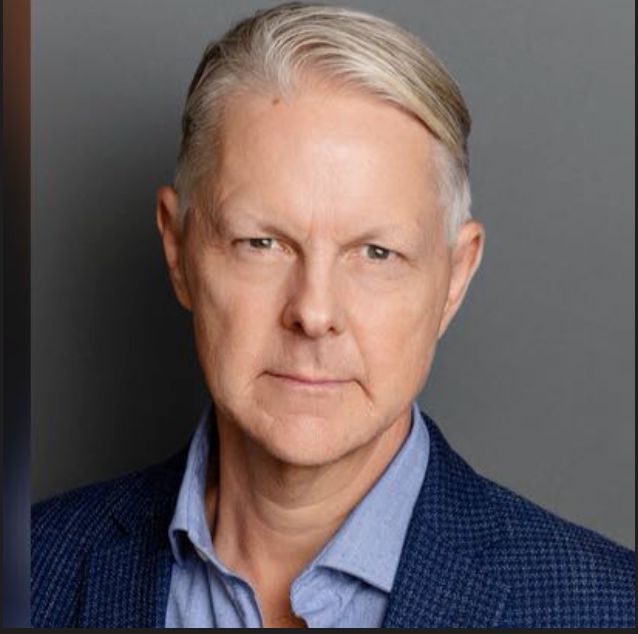
DOUG CASTLE
PATIENT / EMOTIONAL ACCESS POINT
Age : 62
Tone : Grounded, stubborn, grieving, resistant
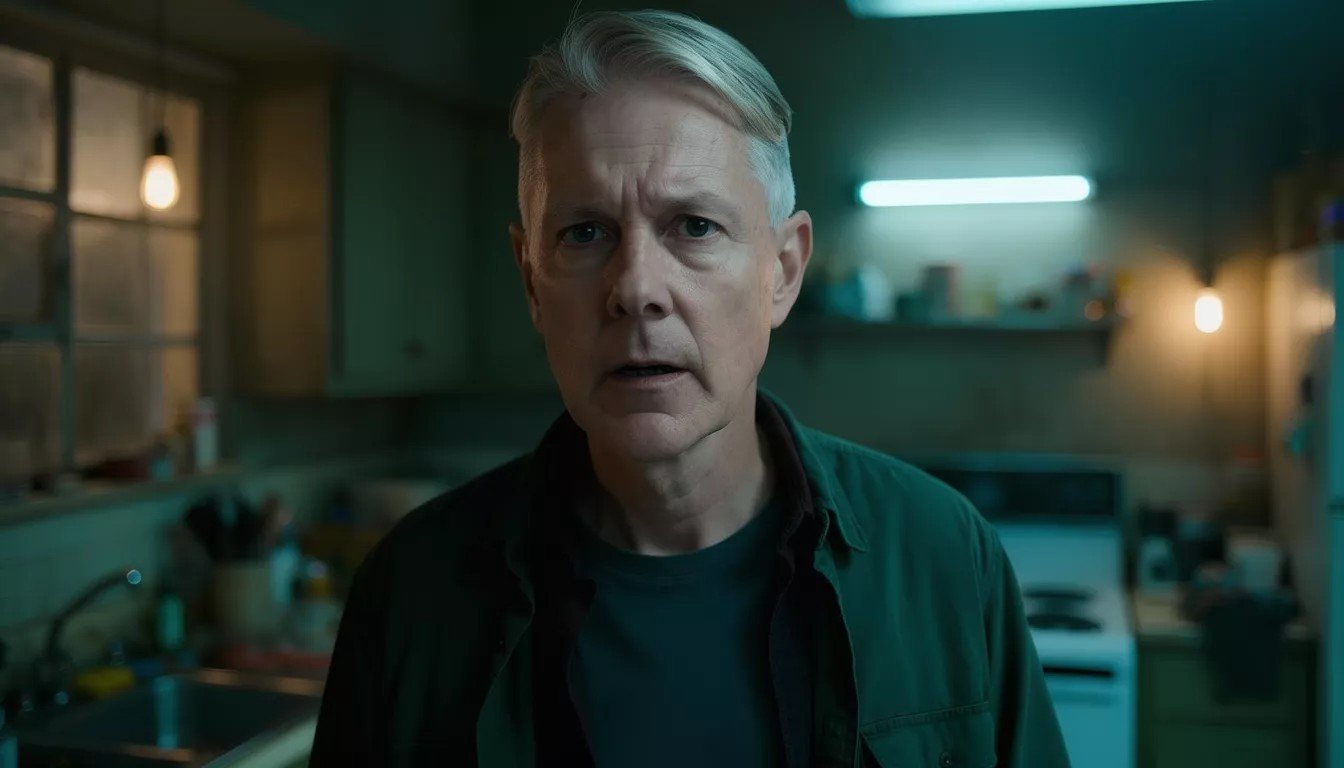
A former bus driver pulled into Medilink after a fatal accident involving automated control, Doug is an ordinary man trying to hold onto the last fragments of a life defined by routine, memory, and loss. He is not looking for transformation or forgiveness. He wants his life back, or at the very least the right to keep his grief his own. That resistance makes him especially dangerous to a system designed to reduce instability and push subjects toward completion

GORDON WATTS
PATIENT / ESCALATION ENGINE
Age : 42
Tone : Volatile, confrontational, unpredictable, wounded
Gordon enters the trial already pushing against every boundary around him. Aggressive, impulsive, and openly resistant, he looks like the hardest subject to control, but flashes of vulnerability reveal the damage underneath the bravado. His presence gives the film its most immediate sense of danger, and his trajectory becomes the clearest sign that Medilink is not built to understand pain, only to overpower it

KEELEY BOWEN
PATIENT / FALSE SUCCESS CASE
Age : 24
Tone : Vulnerable, open, responsive, tragically persuadable
Young, unhoused, and more receptive to Medilink’s language of safety and care, Keeley initially appears to be the program’s success story. She responds quickly to comfort, structure, and the promise of a world that feels warm, stable, and secure. But that very responsiveness reveals the darker truth of the system: what looks like healing may actually be submission, and what looks like progress may simply be compliance in a more appealing form.
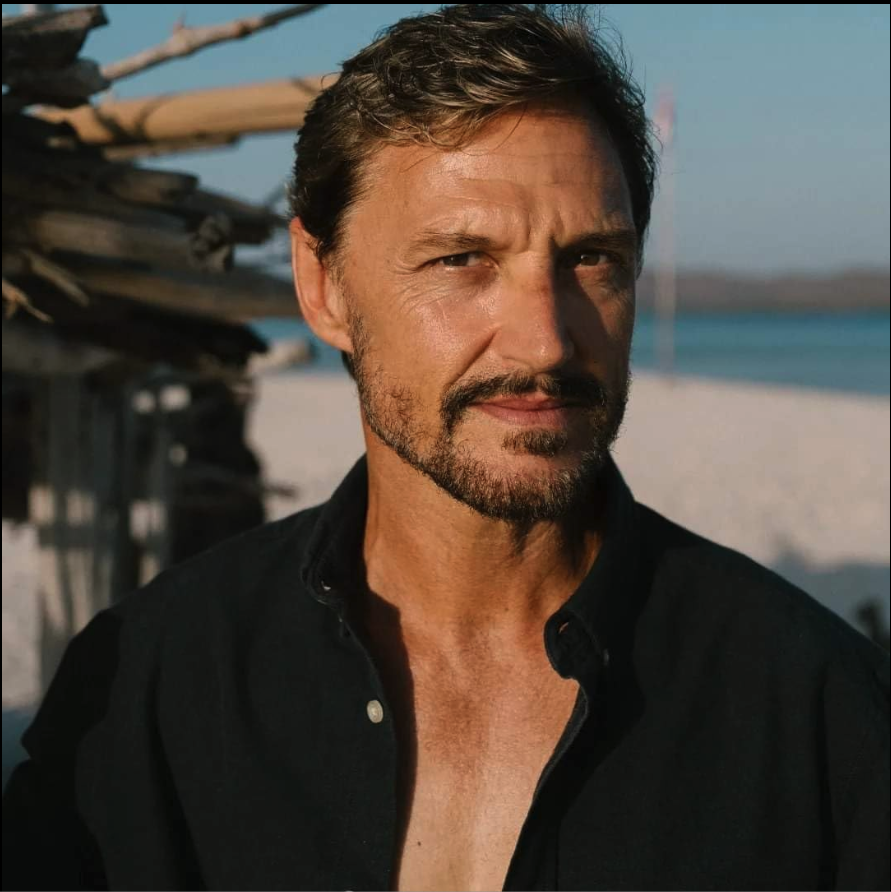
MARCUS
PATIENT / FALSE SUCCESS CASE
Age : 24
Tone : Vulnerable, open, responsive, tragically persuadable
Marcus, CEO of Nexcellence and Lucy's mentor, is a narcissistic tech executive loyal only to himself and his business. His warmth is strategic — he reads people and exploits them, including Lucy's need for control. He's not amoral, just skilled at rationalizing past ethics: he judges everything by margins, optics, and risk, not patient outcomes, trusting stable numbers over real consequences. His true danger is detachment — he doesn't deny harm, he just tolerates it as long as it stays small and containable.
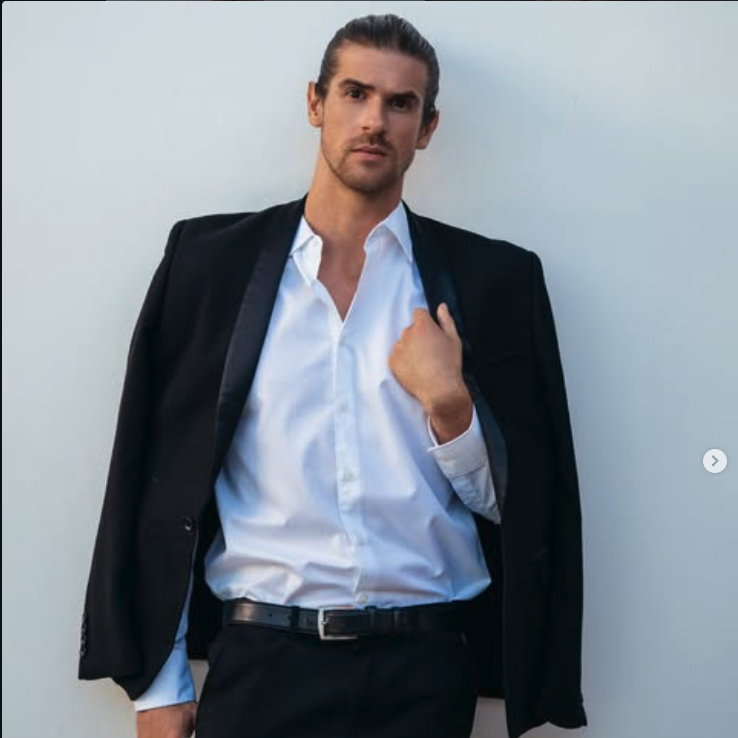
JOSEPH
PATIENT / FALSE SUCCESS CASE
Age : 24
Tone : Vulnerable, open, responsive, tragically persuadable
Joseph, Nexcellence's lead software supervisor, is an ambitious middle manager driven by advancement, not ideology. He had a brief past fling with Lucy and still has feelings for her, but he's been conditioned not to question the system. He follows orders, enforces protocols, and reframes harm as acceptable risk to stay in line with the company. His danger is compliance — by putting career over conscience, he keeps the harmful system running, and may become Marcus's next target himself.

Second Nature is currently structured as an equity-led independent feature. The base finance plan consists of embedded in-kind / committed production value and the remaining equity raise required to take the film through production, post production, and delivery










Join us for experience like never before